
Subtotal ₹0.00


 24 Hour Emergency Aid
What Is an EEG and Why Is It Done?
The EEG, or Electroencephalography, is much more than a simple brain test. It is a powerful diagnostic tool that records the electrical activity of the brain, helping doctors detect neurological conditions early, understand unexplained symptoms, and guide accurate treatment. For patients and families facing uncertainty, an EEG can be the first step toward clarity and recovery.
What Makes an EEG Special?
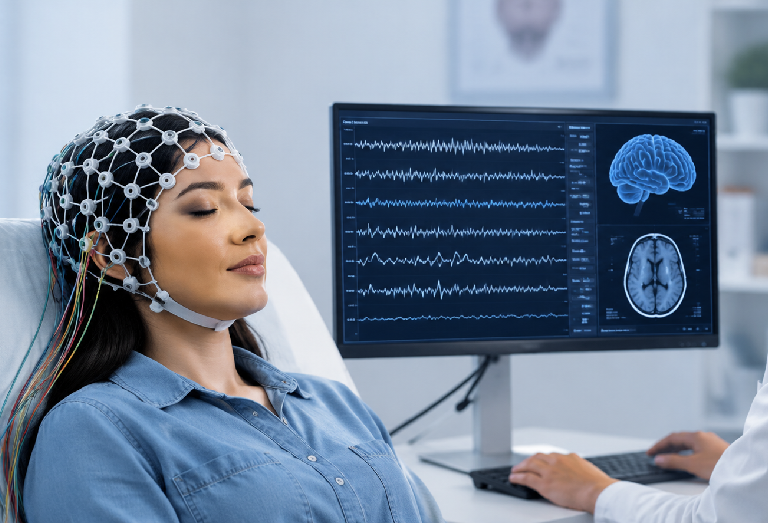
The brain constantly produces electrical signals. An EEG captures these signals through small sensors placed gently on the scalp — with no needles, no radiation, and no pain. By studying brainwave patterns, doctors can identify abnormalities that other tests simply cannot detect.
An EEG provides a real-time picture of brain activity, helping specialists pinpoint the exact nature and location of neurological disturbances — making it one of the most valuable tools in modern diagnostic medicine.
KNLPI
Why Is an EEG Done?
Detecting Epilepsy and Seizure Disorders
An EEG is the most reliable test for diagnosing epilepsy. It identifies abnormal electrical activity in the brain that triggers seizures — allowing doctors to confirm the diagnosis and prescribe the right treatment quickly and confidently.
Diagnosing Sleep Disorders
Many people suffer from unexplained sleep disturbances, insomnia, or conditions like sleep apnea. An EEG monitors brain activity during rest, helping specialists identify sleep-related neurological issues that affect health and quality of life.
Evaluating Memory Loss and Confusion
Sudden memory lapses, difficulty concentrating, or episodes of confusion can point to underlying brain conditions. An EEG helps doctors assess brain function and identify whether these symptoms have a neurological cause.
Investigating Recurring Headaches
Persistent or severe headaches that do not respond to regular medication may have a neurological origin. An EEG helps rule out or confirm brain-related causes, guiding doctors toward a more targeted treatment plan.
Monitoring Brain Injuries and Infections
Following a head injury, stroke, or brain infection, an EEG is used to monitor recovery and detect any ongoing abnormal brain activity that may require further intervention.
Assessing Unconsciousness and Coma
In critical cases, an EEG provides essential information about brain activity levels, helping medical teams make informed decisions about a patient’s care and prognosis.
What to Expect During an EEG
An EEG is completely safe, painless, and non-invasive. Small sensors are placed on the scalp using a gentle paste. You will be asked to relax, breathe normally, and in some cases, rest or sleep during the procedure. The entire test typically takes between 30 to 60 minutes, and you can return to your normal routine immediately afterward.
Why Early EEG Testing Matters
Many neurological conditions are highly manageable when detected early. Delaying an EEG means delaying diagnosis — and delayed diagnosis often means delayed treatment. A timely EEG can prevent conditions from worsening, reduce the risk of injury from undetected seizures, and give patients and their families the answers they need.
Conclusion
An EEG is a safe, accurate, and invaluable diagnostic tool that helps doctors understand brain activity, detect neurological conditions, and guide effective treatment. Whether you are experiencing seizures, sleep problems, memory issues, or unexplained headaches — an EEG can provide the clarity you need.
At Krishan Diagnostic & EEG Centre, Gobind Nagar, Ambala, our trained specialists perform EEG tests using advanced equipment in a calm, comfortable, and professional environment. We are committed to delivering accurate results with compassion and care — because every patient deserves answers.
If you or a loved one is experiencing neurological symptoms, do not wait. Book your EEG at Krishan Diagnostic & EEG Centre today and take the first step toward better health.